How to kill your lawn and embrace biodiversity
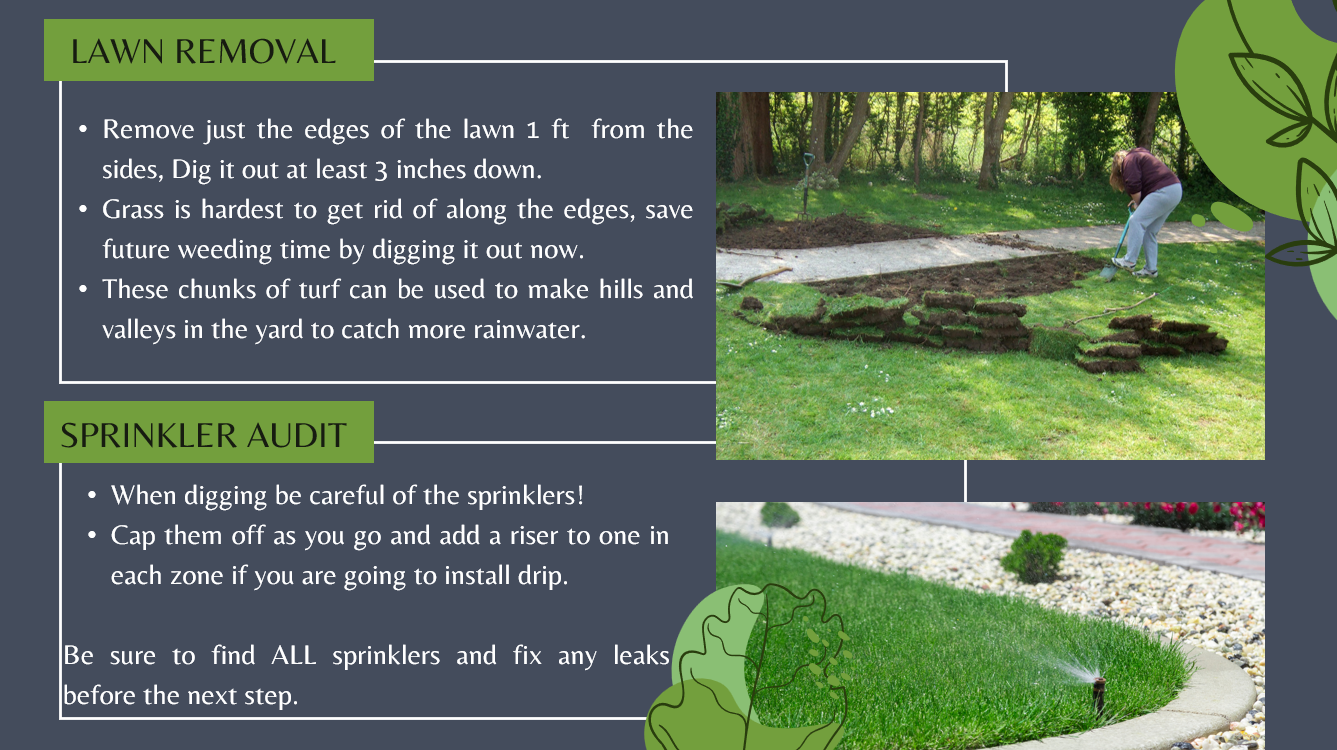
Lawn removal can be less labor than you think…
•Remove just the edges of the lawn 1 ft from the sides, Dig it out at least 3 inches down.
•Grass is hardest to get rid of along the edges, save future weeding time by digging it out now.
These chunks of turf can be used to make hills and valleys in the yard to catch more rainwater
*If planting natives, leave the sprinklers, they mimic rain and natives prefer overhead watering.
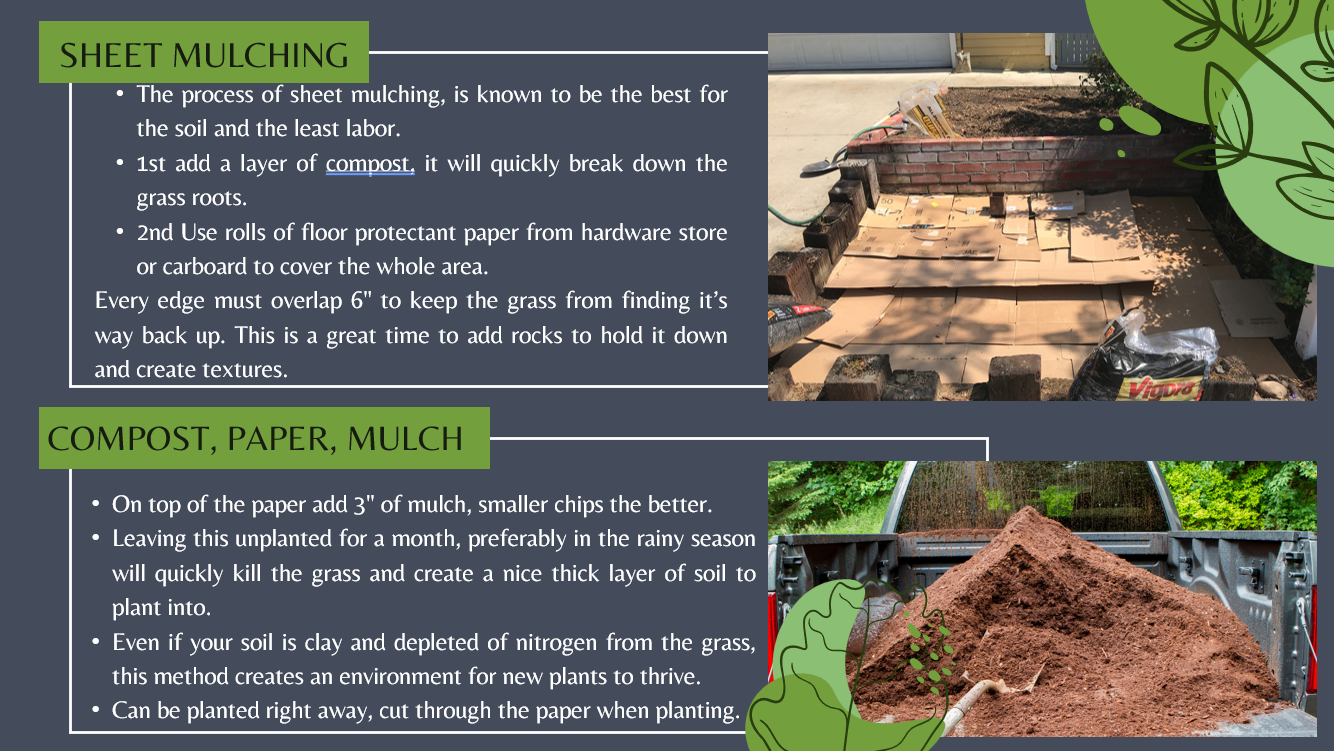
•The process of sheet mulching, is known to be the best for the soil and the least labor.
If planting an edible garden skip the paper, it may have unwanted chemicals, go deep with the mulch to smother the grass.
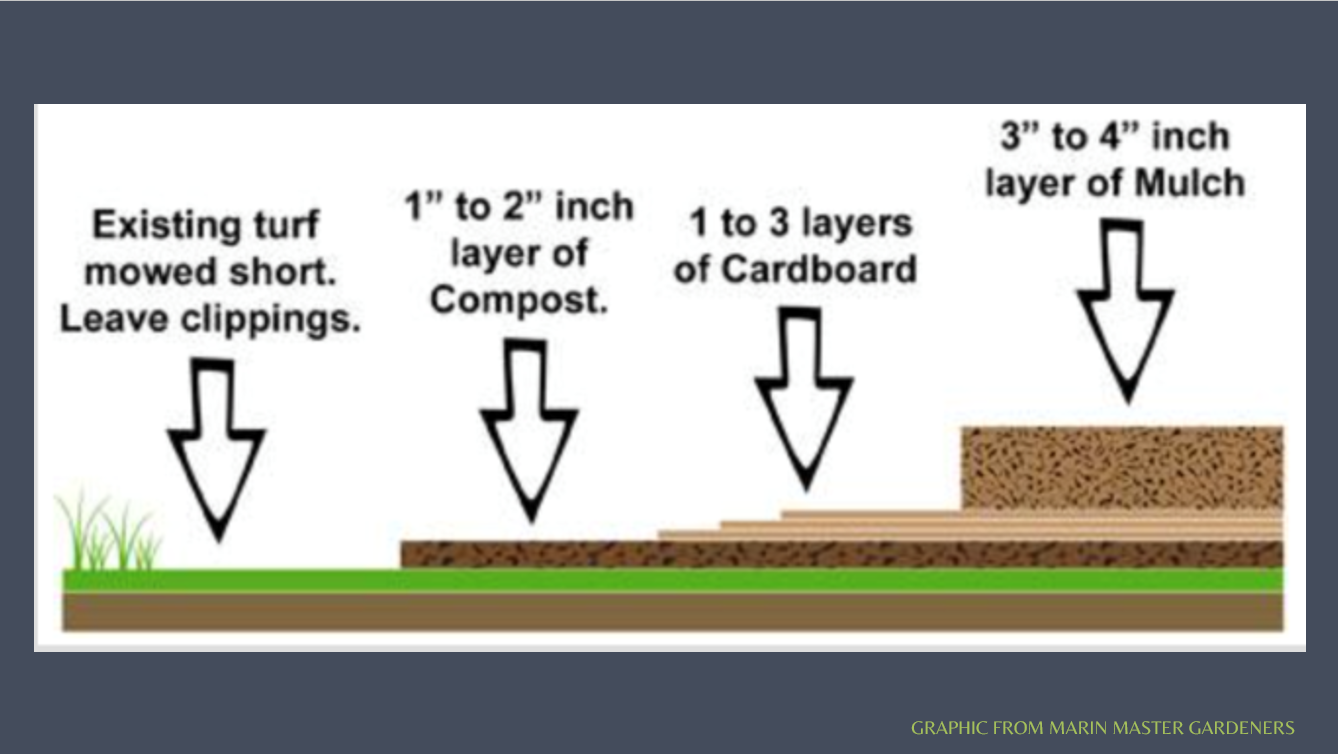
How to sheet mulch
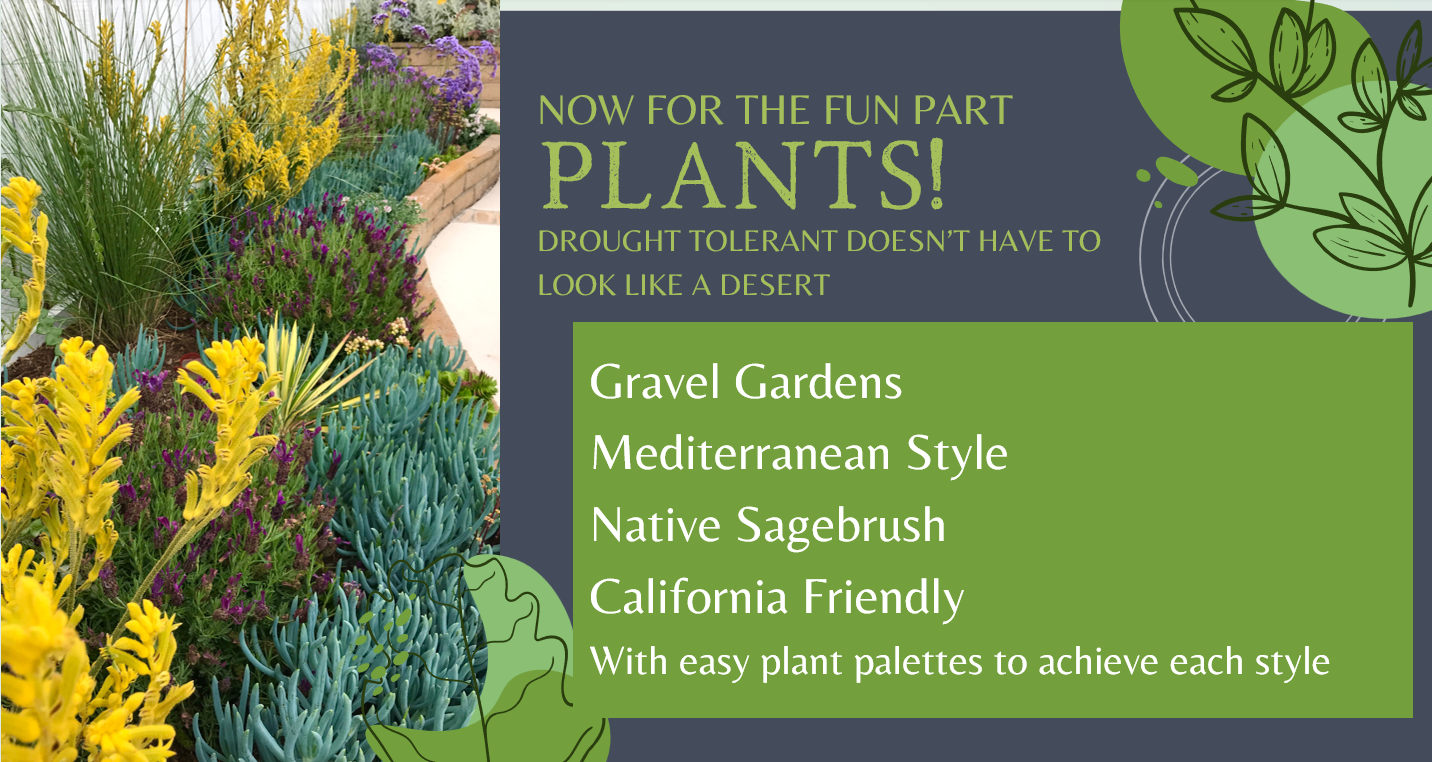
Pick a style to replace your lawn with, options include:
Gravel Garden
Mediterranean Style
Native Sagebrush
California Friendly
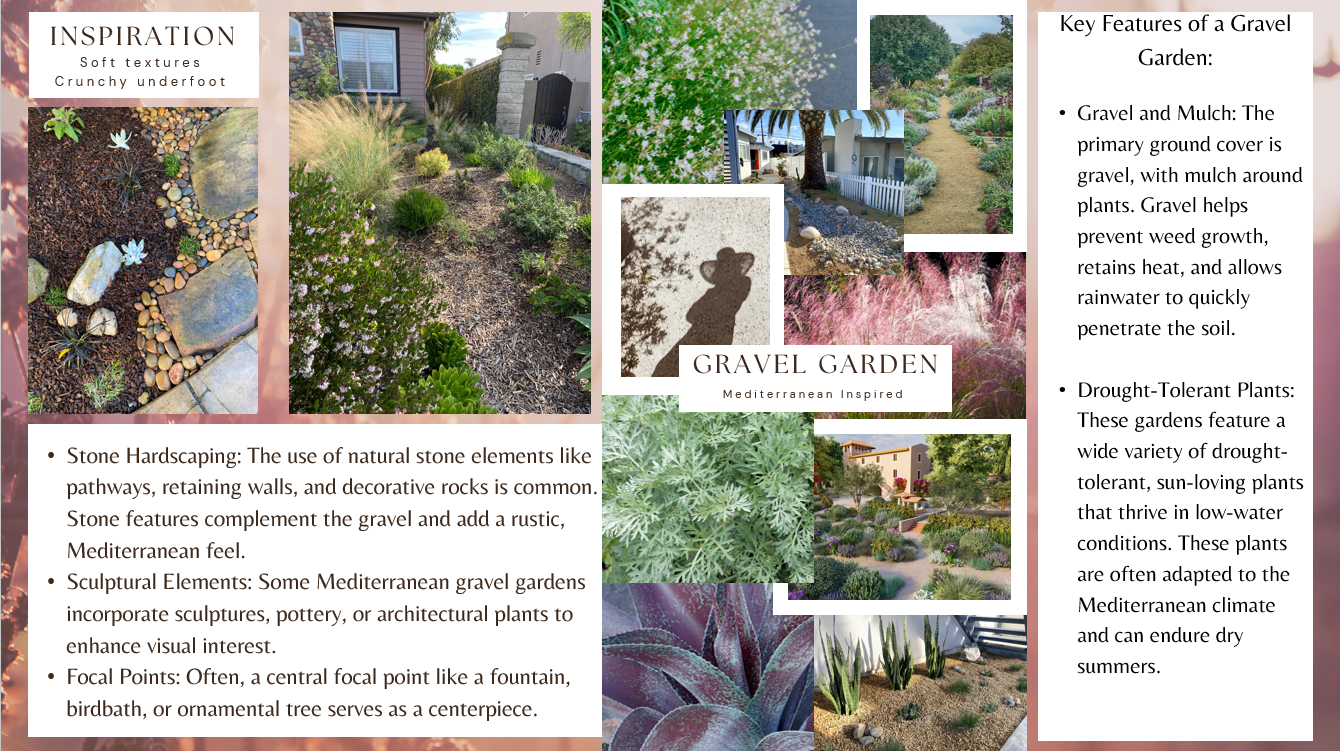
Choose elements for your new no lawn garden.
•Stone Hardscaping: The use of natural stone elements like pathways, retaining walls, and decorative rocks is common. Stone features complement the gravel and add a rustic, Mediterranean feel.
•Sculptural Elements: Some Mediterranean gravel gardens incorporate sculptures, pottery, or architectural plants to enhance visual interest.
•Focal Points: Often, a central focal point like a fountain, birdbath, or ornamental tree serves as a centerpiece.
Key Features of a Gravel Garden:
•Gravel and Mulch: The primary ground cover is gravel, with mulch around plants. Gravel helps prevent weed growth, retains heat, and allows rainwater to quickly penetrate the soil.
•Drought-Tolerant Plants: These gardens feature a wide variety of drought-tolerant, sun-loving plants that thrive in low-water conditions. These plants are often adapted to the Mediterranean climate and can endure dry summers.